Camellias, with their glossy foliage and breathtaking blooms, have captivated gardeners for centuries. These elegant shrubs offer a stunning display of color, adding a touch of timeless beauty to any landscape. But beyond their captivating appearance lies a nuanced world of cultivation, demanding a specific understanding of their needs. This comprehensive guide will equip you with everything you need to know to successfully grow and nurture these magnificent plants.
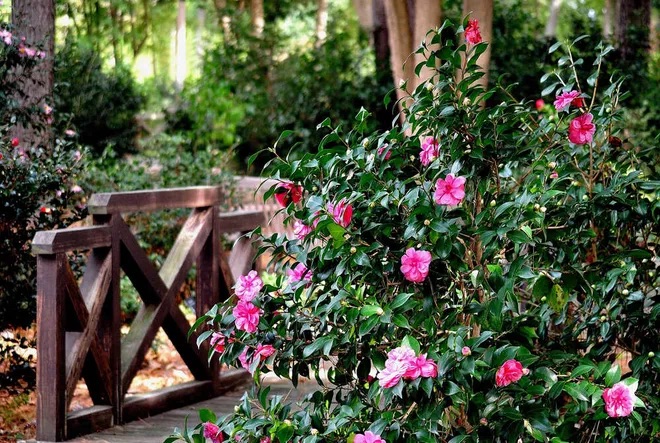
Understanding Camellia Varieties:
Before delving into care, it’s crucial to understand the diverse world of camellias. They’re broadly categorized by their flowering season:
- Spring-blooming Camellias (Camellia japonica): These are the most common type, boasting a wide range of colors and flower forms, from single petals to full, peony-like blooms. They typically flower from late winter to spring.
- Autumn-blooming Camellias (Camellia sasanqua): These offer a later blooming period, typically from autumn to early winter. They’re often more fragrant and tend to be more compact than Camellia japonica.
- Winter-blooming Camellias (Camellia x williamsii): These are hybrids, often displaying a mix of traits from both Camellia japonica and Camellia sasanqua, offering blooms throughout winter.
Choosing the right variety is crucial, considering your local climate and desired bloom time.
The Secrets to Successful Camellia Cultivation:
1. The Right Location is Key: Camellias thrive in partial shade to shade, particularly in warmer climates. Direct, intense sunlight can scorch their leaves. The ideal location offers morning sun and afternoon shade.
2. Soil Matters: Well-drained, acidic soil (pH 5.5-6.5) is paramount. Camellias dislike alkaline conditions, which can lead to chlorosis (yellowing leaves). Amend heavy clay soils with organic matter like compost or peat moss to improve drainage and acidity.
3. Watering Wisdom: Camellias prefer consistently moist, but not waterlogged, soil. Water regularly during dry periods, especially during the growing season. Avoid overhead watering, as this can promote fungal diseases. Mulching around the base of the plant helps retain moisture and suppress weeds.
4. Fertilizing for Flourishing Blooms: Feed your camellias with an acid-loving plant fertilizer in spring and fall. Avoid high-nitrogen fertilizers, as these can encourage excessive leaf growth at the expense of blooms. A balanced, slow-release fertilizer is ideal.
5. Pruning Perfection: Camellias generally require minimal pruning. Remove dead, damaged, or crossing branches in late winter or early spring, before new growth begins. Avoid heavy pruning, as this can reduce flowering.
6. Protecting from Pests and Diseases: Camellias are relatively pest-resistant, but they can be susceptible to certain diseases, such as petal blight and root rot. Good air circulation and avoiding overhead watering can help prevent these problems. Consult with a local garden center for advice on disease management if necessary.
7. Propagation: Camellias can be propagated through cuttings or layering. Cuttings taken in late summer or early fall have a good chance of rooting successfully. Layering involves bending a branch to the ground and burying a portion of it to encourage root development.
Troubleshooting Common Camellia Problems:
- Yellowing leaves (chlorosis): Often indicates alkaline soil. Apply an acidifying agent to the soil and use an acid-loving fertilizer.
- Bud drop: Can be caused by stress from drought, frost, or inconsistent watering. Ensure consistent moisture and protect from extreme weather conditions.
- Pest infestations: Inspect plants regularly and address any pest problems promptly using appropriate insecticides or organic pest control methods.
By following these guidelines, you can ensure your camellias thrive, rewarding you with years of breathtaking beauty. Remember to research the specific needs of your chosen variety for optimal results. Happy gardening!
 Sprinkle & Scout
Leave a comment